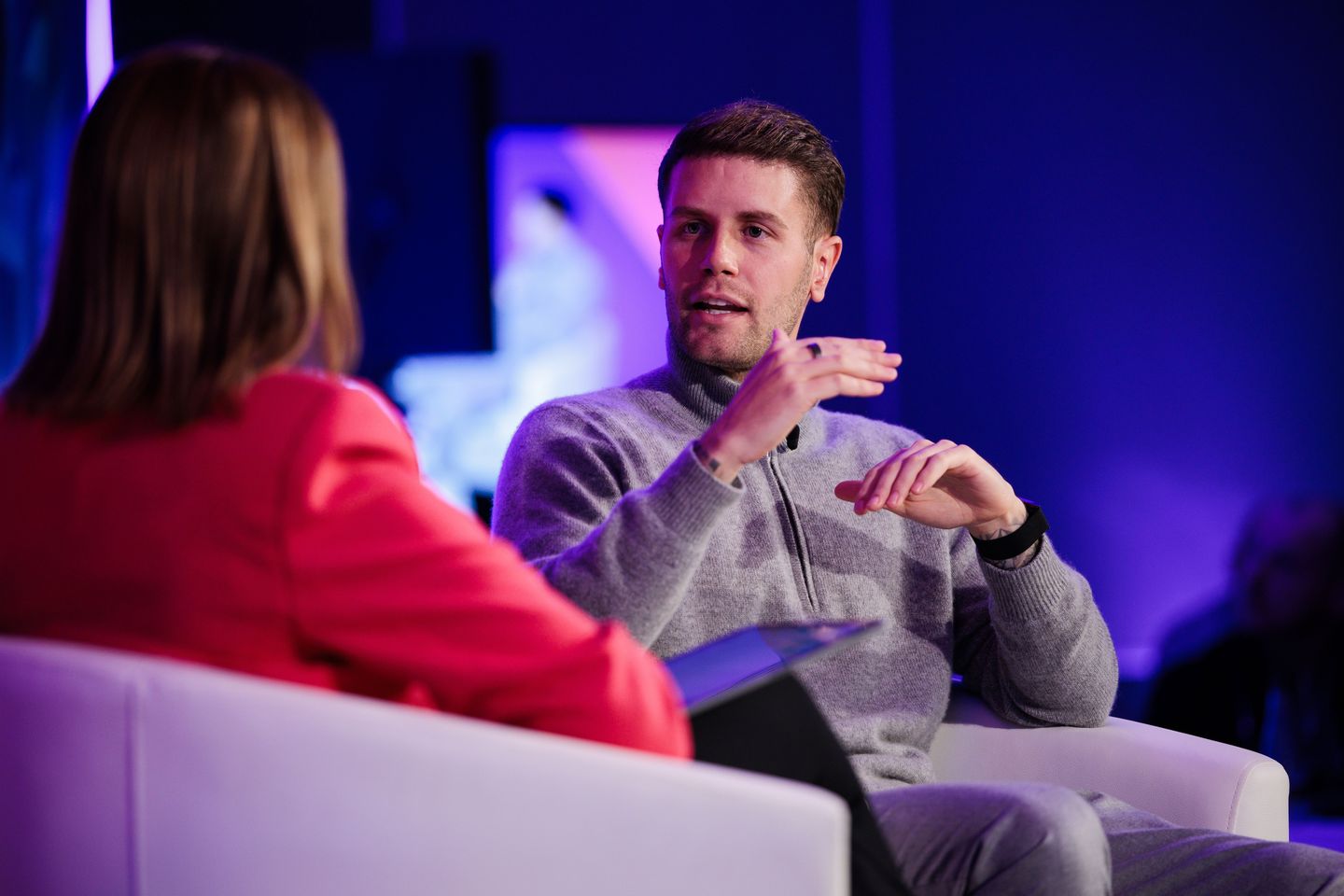
On 10-11 November, the Premier League Coaching and Performance Summit brought together leading minds from across football for two days of discussion, collaboration and inspiration. Held at the Courthouse Hotel in Shoreditch, the summit explored the evolving challenges and opportunities within elite coaching, performance and player development, uniting experience, innovation and a shared ambition to raise standards across the game.
The summit also provided valuable networking opportunities, allowing coaches and practitioners to connect, exchange ideas and build relationships to support continued progress across all areas of performance.
Day One: From Pathways to Identity
The evening opened with Neil Saunders, Director of Football at the Premier League, setting the tone for the summit with a message about growth, collaboration and the League’s ongoing commitment to creating world-leading pathways for players, coaches and match officials.
That focus on development carried through into an insightful conversation with Chris Davies (Manager, Birmingham City), who reflected on his Pathway to Performance and the lessons learned from working alongside top managers such as Ange Postecoglou and Brendan Rodgers. He spoke about the influence of those experiences on his own coaching philosophy, emphasising the importance of trust, adaptability and connection in building successful teams.
After dinner, Niko Kovač (Head Coach, Borussia Dortmund) took to the stage for his Q&A session, From Intensity to Identity, where he shared thoughtful reflections on leadership, culture and the values that have shaped his career in top-level European football. He spoke about the importance of empowering staff and effective delegation, highlighting how trust within a coaching team drives performance. Kovač also emphasised the need for clear communication and insisted on the use of a common language (in his case, English) to ensure unity and understanding across his squad.
Day Two: Learning Across Perspectives
The second day began with a deep dive into one of football’s most topical issues: The Rise of the Multi-Club Ownership Model. Julian Ward, Technical Director at Fenway Sports Group, and Simon Francis, First team Technical Director at AFC Bournemouth, explored the global structures reshaping recruitment and player development, prompting debate on how clubs can collaborate within shared networks while maintaining individuality and identity.
The morning continued with a Players’ Panel featuring Premier League legends, Stephen Warnock, Phil Jones and Wes Morgan. The trio shared honest reflections on life within elite dressing rooms. From leadership challenges to adapting under new managers, offering valuable perspective on how coaching decisions are experienced from the player’s viewpoint.
Breakout Sessions: Expanding the Conversation
Across the day, eight breakout rooms offered focused discussions on the themes of coaching, player development, performance and innovation. Sessions explored topics such as Understanding Elite Coaching with Marc Canham (former Chief Football Officer, Football Association of Ireland), Player Development Pathways with Shola Ameobi (Newcastle United) and Owen Coyle (Nottingham Forest), and a cross-sport collaboration between Andrew Murray (NBA) and Tom Allen (Arsenal) examining performance models across basketball and football. Mike Anthony (New Zealand Rugby Union) also shared lessons from the All Blacks on building and sustaining a high-performance culture.
Other sessions highlighted advances in technology, leadership and data, with Genius, Football Manager, Opta and Rezzil demonstrating new tools to enhance analysis and decision-making.
Afternoon Reflections and Closing Insights
After lunch, Adi Hütter, former Head Coach at AS Monaco, took the main stage for a thoughtful session on leadership, adaptability and the evolving demands of modern management. Drawing on experiences across European football, Hütter spoke about balancing tactical evolution with emotional intelligence, urging coaches to embrace change while staying grounded in their principles.
In the final session, Fabian Hürzeler, Head Coach of Brighton & Hove Albion, spoke with honesty and humility about his journey to Premier League management. He reflected on the trust and belief others had shown in him despite his age and relative inexperience, acknowledging how that support helped shape his development and led him to where he is today. Hürzeler also discussed his approach to leadership, describing the importance of managing with “friendly authority” - creating an environment built on respect, openness and accountability.
Osei Sankofa, Head of Coaching Pathways at the Premier League and one of the event organisers, reflects the summit provided a valuable space for open discussion and shared learning. “The Coaching and Performance Summit provided first team coaches, elite performance staff and club executives with the opportunity to step away from their environments and share insights on what it takes to compete at the highest level of domestic and European football. Fabian Hürzeler articulated his leadership style, whilst Julian Ward and Simon Francis discussed how they use their multi-club models to benefit their respective organisations. The contributions of all our speakers gave an authentic and holistic view of elite pathways to performance that can be taken back into clubs and refined for the benefit of all.”
Delegate feedback described the summit as “an exceptional learning experience,” praising the “high level of guests” and “exposure to industry leaders who challenged current practice and encouraged critical reflection.”
“The summit provided a fantastic opportunity for everyone in attendance to share experiences, discuss best practices, and expand their professional networks. It was a world-leading Coaching Summit.”
– Andrew Sparkes, Head of Goalkeeping & First Team Goalkeeper Coach, QPR